
Specialized
December 1, 2023
Grease Eating Bacteria – Maintains Pipeline Clearance
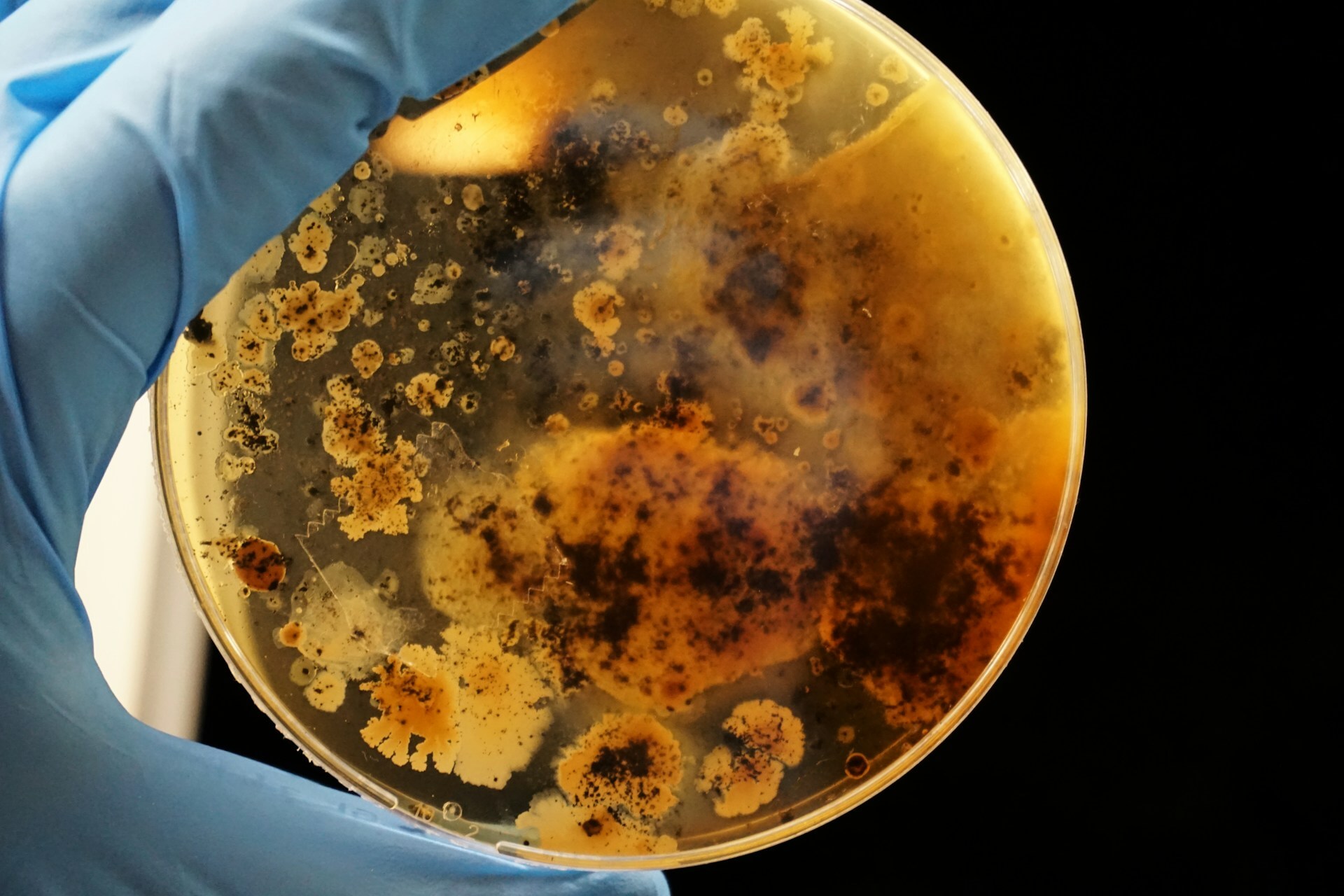
How does grease affect the wastewater system in general? What are the solutions? How to combine with grease-eating biological products?
Grease-eating microorganisms are no longer a strange concept to households. In particular, these are clog-clearing microorganisms that are a powerful left-hand man for housewives in dealing with blockage problems. The product is suitable for all types of organic waste, especially grease. They stick uncontrollably, and incidents can happen at any time without warning
What are fats and oils? Where do they come from in cooking and food production?
Fat is one of the most “heavy” pollutants in the food production process or simply in everyday cooking. From frying and cooking vegetables and fruits, to foods containing animal fat and vegetable fat.
They infiltrate the water source, following the flow and sticking to the drainage system. Grease has lipid bonds containing hydrophilic heads and hydrophobic tails. Therefore, if there is already grease in the pipe, it will attract more brothers to gather together. This is the reason why there are grease pipes that are almost completely blocked, making it difficult to drain.
Ways to separate grease from domestic wastewater
Based on the molecular structure of grease, which is hydrophobic. On the market, there are microorganisms that separate grease from wastewater. Called grease traps or grease traps. The water that has been “trapped” in grease will go out, reducing the amount of grease in the following pipe sections. Minimizing the cost of drilling and cleaning with high-capacity machinery for long and deep pipes.
1. Grease trap – Grease trap
Normally, the drain pipe will be about 20-30m long depending on the general drain pipe area of the city. To avoid local blockages, engineers have designed a trap every 7-10m. They have the effect of slowing down the flow, helping the grease to settle on the surface and clean water to drain out. The grease on the surface accumulates and forms a cake, which can be easily removed.
2. Grease trap
Grease tanks also work in the same way as grease traps. Depending on the needs, grease tanks will have different numbers of compartments. Some hotels can combine 2-3 grease traps and a grease tank with one compartment. Normal grease tanks in restaurants will have 2-3 compartments, which are widely used because of the high frequency of cooking. The first compartment is used to filter organic waste (leftover rice, fruit peels, vegetable fibers, etc.). After separating the grease for the first time, the grease will be most concentrated here. The third compartment separates the grease for the second time, helping to release cleaner water.
3. Advantages and disadvantages of grease traps in general
These grease filtering systems all have the effect of separating grease from the flow. But for too large a flow, grease tanks accumulate grease too quickly and too much. Increasing the cost of dredging monthly, even weekly. In particular, they leave a very unpleasant odor, affecting the aesthetics and surrounding air. Therefore, grease-eating microorganisms have been developed to solve problems such as: helping to reduce the amount of grease by 60-70%, significantly reducing odor without the need for any other deodorizing products
What are grease-eating microbes and what effects do they have?
Grease-eating microorganisms are living systems. They can reproduce in facultative anaerobic environments. Therefore, they can be applied in liquid waste treatment tanks – suspensions of large manufacturing companies. They use organic compounds, especially grease, as nutrients. Solids are slowly decomposed, providing ventilation for pipes without damaging the pipes like other chemical products.
Grease-eating microbes are different from drain cleaners.
Microorganisms are living populations that remain in the pipeline for a long period of time. They do not generate heat, do not create residue, and do not affect the general ecosystem.
Unclogging chemicals are different, they are used to unclog instantly, generate heat, and have products that create residue. If used for a long time, it will affect the pipes and ecosystem.
Distinguishing between grease and lubricant
Lubricating oil is the result of crude oil distillation, heat treatment and various reactions for application in engines. The current grease-eating microorganisms on the market do not have the effect of decomposing lubricating oil. Hopefully in the future, there will be more of these microorganisms to reduce the cause of pollution in the mechanical and marine transport industry.
What types of grease-eating microorganisms does EcoClean Vietnam have?
EcoClean is the exclusive supplier of grease-eating microorganisms from Environmental Leverage Inc from the US. EcoClean’s microorganisms are isolated and produced in a modern environment.
1. EcoClean Drain – grease-eating bacteria in powder form
A special strain of bacteria developed to support cleaning in drainage systems and organic waste accumulation. Grease-eating microorganisms grow and release enzymes, helping to support the removal of waste from the pipes. With a mass of nearly 500gr, mix with 10-15l of clean mineral water. Use for 1 month to reduce clogging.
2. EcoClean FOG – liquid grease-eating microorganisms
A specialized grease-eating microorganism, premixed in liquid form. With a simple operation, add the microorganism regularly every night before going to bed. EcoClean FOG is a comprehensive formula to minimize pipe blockage, especially helps to suppress odors thanks to the fresh lemon scent.
Thus, EcoDrain and EcoClean FOG products of EcoClean Vietnam company both support the treatment and decomposition of grease in the drainage system, helping to effectively reduce pollution and pipe blockage. If you are having problems with grease in the food production process or managing drainage systems, EcoClean products are a good solution to solve this problem
Grease-eating microbes help protect your home's pipes
If your home’s pipeline system already has a grease trap – tank. Add more microorganisms to maximize the process of separating and decomposing grease. Protect the pipeline and be sustainable for the future. This is also the value that EcoClean wants to bring to every home. Hopefully through this article, you will have a more general view of grease and grease-eating microorganisms . Choose the right product that is worth the money. See you in the next blog. See ya!